9 Small Habits That Actually Make Your Fashion Choices Greener
The fashion industry produces around 92 million tons of textile waste every year [1], making it one of the most polluting industries on the planet. Most of that waste traces back to ordinary buying and tossing habits, not factory floors alone.
Changing that does not mean shopping only at farmers' markets or spending a fortune on ethical labels. A handful of small, repeatable habits can shift your fashion footprint more than you might expect.
1. Buy Less, But Buy Better
This sounds obvious until you are standing in front of a $12 top and talking yourself into it. The habit here is pausing before checkout, whether online or in-store, and asking one question: Will this get worn at least 30 times?
Studies from the sustainable fashion space suggest that extending the life of a garment by just nine months reduces its carbon, water, and waste footprint by 20 to 30 percent. That means a $90 piece worn 60 times has a smaller environmental cost than a $15 piece worn five times and forgotten.
The habit is not about spending more. It is about buying with intention instead of impulse. Try a 48-hour rule on non-essential purchases. Most of the time, the urge fades, and your wardrobe stays tighter.
2. Get Comfortable With Second-Hand Shopping
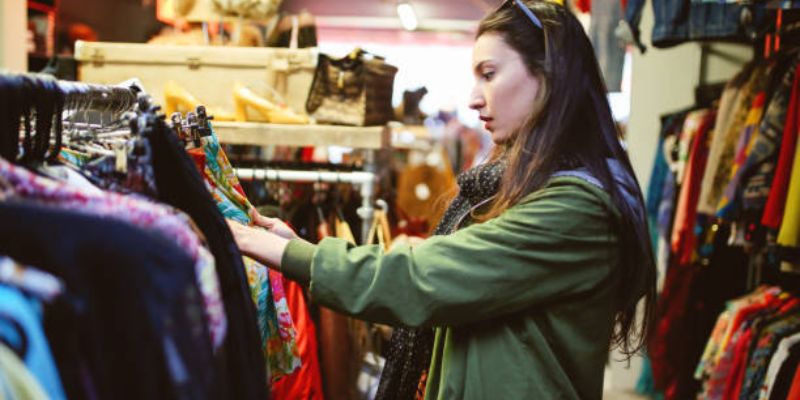
Thrift stores used to feel like a gamble. Now platforms like ThredUp, Depop, Poshmark, and Vestiaire Collective have made second-hand shopping genuinely convenient. You can filter by size, brand, color, and condition without leaving your couch.
ThredUp's 2024 Resale Report estimated the global second-hand market would hit $350 billion by 2028, with Gen Z and millennials leading the shift. That is not a trend. It is a behavioral change.
Buying second-hand is one of the most direct green fashion habits available. It bypasses new production entirely, which is where the bulk of a garment's environmental impact is generated. Even swapping one new purchase a month for a pre-owned one adds up noticeably over a year.
Some people love the ThredUp model for basics like denim and knitwear. Others prefer Depop for more curated or vintage finds. Both work. The point is just to start.
3. Learn Three Basic Repairs
You do not need to become a seamstress. Three skills cover the majority of clothing casualties: sewing on a button, closing a small seam split, and hemming pants with iron-on hem tape.
Most people throw out clothes with these exact fixable problems. A loose button takes four minutes to reattach. A split seam along the inside of a jacket takes maybe ten minutes with a needle and thread. Iron-on hem tape costs about $4 and can save a pair of trousers worth five times that.
YouTube has made this genuinely accessible. Channels like Bernadette Banner and Professor Pincushion have millions of views specifically because people are looking for exactly this kind of practical fix. The barrier is lower than most people assume.
4. Wash Clothes Less, and Smarter
Washing is where a garment takes a lot of its cumulative damage. Heat shrinks fibers, agitation breaks them down, and frequent washing shortens a piece's lifespan significantly. A Patagonia study [2] found that a single fleece jacket sheds up to 250,000 synthetic microfibers per wash, many of which pass through water treatment systems and enter waterways.
The green fashion habit here is straightforward: spot clean when you can, air out garments between wears, and wash on cold when you do run a full cycle. Cold water washing uses about 90 percent less energy than hot.
Washing denim after every three to five wears instead of every wash extends its life substantially. Wool, cashmere, and most knits can often go many wears between washes. The exception is anything worn close to the skin during exercise. Everything else is worth a smell-and-check before defaulting to the machine.
A Guppyfriend wash bag or a Cora Ball catches microfiber shedding before it hits the drain. Both are under $30 and are reusable indefinitely.
5. Use the Full Wardrobe You Already Have
Most people wear about 20 percent of their wardrobe 80 percent of the time. The rest hangs there feeling like an obligation. Before buying anything new, it is worth actually going through what is already owned.
This is not a minimalism lecture. It is a practical point: a lot of green fashion choices happen before any money is spent. Rediscovering a blazer, a pair of trousers, or a dress that has been buried since last season is genuinely satisfying. It also removes the false pressure of needing something new for an event or outfit.
Try a monthly "shop your wardrobe" session. Pull out the less-worn pieces, style them differently, and photograph combinations you want to remember. A lot of people find this genuinely fun once they start, and the shopping urge quiets down noticeably.

6. Choose Natural and Certified Fabrics When Buying New
Synthetic materials like polyester, nylon, and acrylic are derived from fossil fuels and shed microplastics through washing. Natural fibers, while not perfect, tend to biodegrade and leave a smaller chemical footprint when sourced responsibly.
Look for certifications like GOTS (Global Organic Textile Standard) for organic cotton, and Responsible Wool Standard (RWS) for wool. The OEKO-TEX label is also useful because it certifies that a fabric has been tested for harmful substances, regardless of the fiber type.
Linen is worth mentioning specifically because it requires very little water and no pesticides when grown in Europe, and it ages beautifully. A linen shirt that was bought five years ago tends to look better now than it did then. That kind of durability is its own form of green fashion.
7. Donate and Rehome Thoughtfully
When clothes leave your wardrobe, where they go matters. Dumping bags of fast fashion into charity shop bins is not the automatic solution it feels like. Many donation centers are overwhelmed, and a large portion of what they receive gets sent to textile recyclers or landfills anyway.
A more effective green fashion habit is to be selective. Give wearable, clean, good-condition pieces to local charity shops, shelters, or community clothing swaps. Worn-out items made of natural fibers can go into textile recycling programs at retailers like H&M, Zara, or The North Face, which have in-store collection points.
For higher-quality or branded pieces, listing them on Depop, Vestiaire Collective, or a local Facebook Marketplace group gets them into a second life faster and sometimes earns a little money back in the process.
8. Rent for Occasions You Will Not Repeat
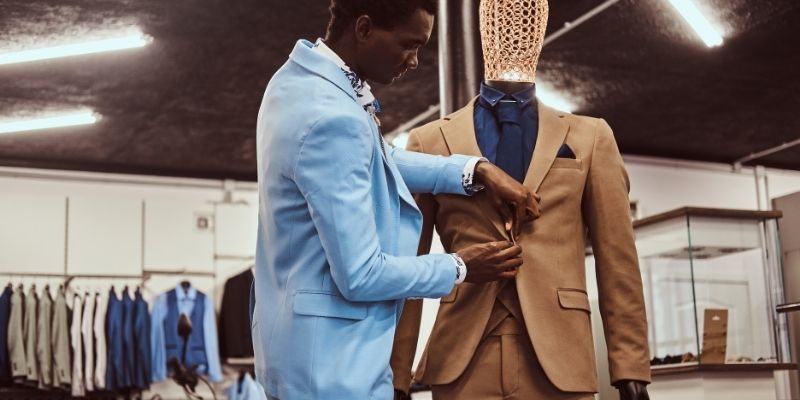
Occasion wear is one of the biggest contributors to wardrobe waste. A wedding guest dress worn once, a suit bought for an interview, a specific dress code for a work event. These pieces often cost a significant amount and get worn exactly once.
Rental platforms [3] like Rent the Runway and HURR (in the UK) have made it straightforward to wear something excellent without owning it permanently. Rent the Runway, for instance, offers one-time rentals starting around $30 for pieces that would retail at several hundred dollars.
This is a particularly efficient green fashion habit for anyone who attends a lot of formal events, weddings, or work functions. It removes the "I have nothing to wear" spiral entirely because the bar for renting something specific is much lower than buying it.
9. Stop Chasing Micro-Trends
This one takes practice but has the highest long-term payoff. Micro-trends, those hyper-specific aesthetics that dominate TikTok for six weeks and then vanish, are built to generate purchasing urgency. The "coastal grandmother" look, the "quiet luxury" moment, the sudden obsession with a specific bag shape. These trends are real, but they are designed to cycle fast.
The green fashion habit is to notice the pattern rather than respond to it. Classic cuts, neutral tones, and well-made basics do not go out of style in the same way. A well-fitted straight-leg trouser, a white shirt that fits properly, a leather belt that will last a decade. These are not boring choices. They are the foundation of a wardrobe that does not need constant updating.
Small Choices, Real Accumulation
None of these habits require a total lifestyle change. Washing on cold, buying one pre-owned piece a month, repairing a split seam instead of binning the jacket, thinking twice before the micro-trend spiral. These are small, repeatable decisions that accumulate into something meaningful.
Green fashion at scale happens because enough individuals made it a quiet, consistent priority. Your wardrobe is a good place to start.
References
[1] United States Environmental Protection Agency – https://www.epa.gov
[2] Patagonia – https://www.patagonia.com
[3] Rent the Runway – https://www.renttherunway.com
Related Posts

Effortless Style A Comprehensive Guide to Casual Outfits for Women
Summer Dressing Guide Stay Cool Without Losing Style
Best Organic Cotton Camis For Layering And Everyday Wear
The 2026 Circularity Guide: How to Get Paid for Your Old Luxury Clothes

Textile Recycling: What’s Recyclable, Where To Take It, And What Happens Next